Table of Content
Overall, the prognosis is very good for dogs who receive prompt treatment upon ingesting a rodenticide. The Toxic and lethal effect of rat poison and rodenticides depends on the type of the rodenticides, consumption amount, age, and overall health of the canine. The initial symptoms of the toxicity may start in about 30 min to 1 hour.
The brain swells and the victim dies of cerebral edema. Peak levels of bromethalin can be detected only several hours after ingestion. Your dog will also need frequent blood tests after poisoning. They will also prescribe vitamin K1 then do a follow up blood clotting test.
What would rat poison do to a dog?
The toxic and lethal effects of the rat poison in dogs depend on the type and amount of the rodenticides ingestion, size, and overall health. 0.50mg to 2 mg of the rate of poison and rodenticides will be enough to cause the toxic effect. Your dog may recover from the poisoning with immediate treatment and by using an antidote of Vitamin K1, aggressive therapy, and other hospitalization treatment.
Knowing the brand/type, and also when it was made, will be helpful in figuring out what it contains. Vitamin D3 is another way that rodenticides work to effectively kill off rats. Because this leads to dangerously high levels of calcium and phosphorus in the body, the result could be severe, acute kidney failure. If your puppies have been getting adequate doses of vitamin K, likely no further treatment will be required. Keep in mind vitamin K can also be prescribed through a human pharmacy, since the treatment for rat poison ingestion in people is the same.
Secondary Poisoning
First, study what substances and supplies are most certainly to poison your canine. Then, take measures to keep away from publicity to your canine. FluentWoof is a community driven website, we may receive commissions when you click on our links and make purchases. However, we have a strict editorial policy and this does not impact our reviews and product recommendations. We’re here to serve dogs and dog parents, and we’ll always recommend what we think would best for your dog.
Nonetheless, many canine homeowners proceed to feed desk scraps and different random meals to their canines. The reality is that some meals are protected for canines. If you’re planning to get new crops or flowers, analyze them forward of time to study whether or not or not they’re poisonous. There are some human drugs that can be protected for canines, however, many others may be severely dangerous to your canine.
My dog ate rat poison, what should I do? A guide to rat poisoning in dogs
I told thim I wanted to take him home and do vitamin k and just spend time with him and hope and pray. Dogs that ingest cholecalciferol-containing rodenticides will develop symptoms of the gastrointestinal tract, such as vomiting, diarrhea, loss of appetite, and/or constipation. Dogs that have ingested rat poison often produce a green or blue stool about one day later.

With a dog who recently had major surgery, I have spent quite a bit of time in emergency veterinary hospital waiting rooms . Each time I was in the waiting room, I have seen at least one dog with suspected rat poison exposure get rushed into treatment. If your dog ate rat poison would you know what to do — and what signs to even look for?
Get Dogster in your inbox!
In addition, there is a wonderful resource called the ASPCA Pet Poison Control Helpline. It is staffed with boarded veterinary toxicologists who can help you determine toxins, symptoms, and how best to proceed with treatment. Treatment for this particular toxin must begin immediately, ideally within an hour of ingesting the product. The pet will be made to safely vomit and then she must receive several doses of activated charcoal to bind any toxin that may be left in her intestines and prevent any further absorption.

Ingesting Bromethalin causes brain swelling and has no antidote. If your canine has not ingested a high amount, With proper treatment, your canine can recover from the poisoning effect. Secondary poisoning is rareand depends on many factors.
They also are giving her Charcol liquid to clean the blood. There is no antidote if a dog has swallowed rat poison with either cholecalciferol or bromethalin. Hospitalization is likely in both cases with IV treatment.
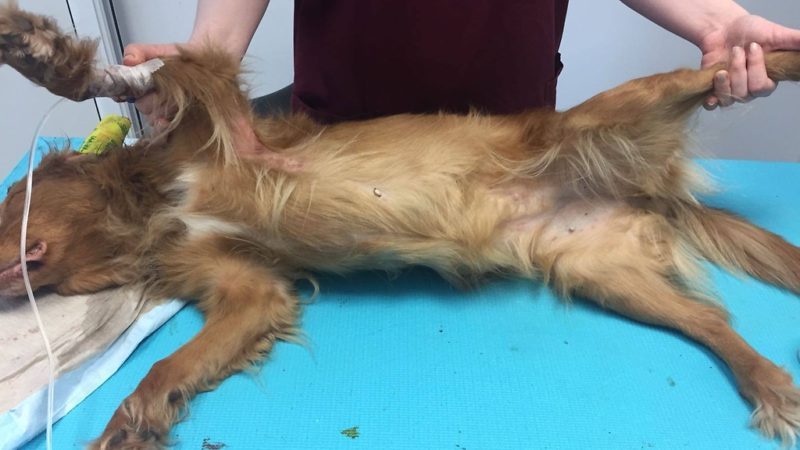
If you find dead rats and mice around the house or garden, it is a good ideas to dispose of them as quickly as possible where they cannot be eaten by pets or wild animals and birds. If life threatening active bleeding is detected that could be due to rat poison, then intensive treatment may be needed. This causes uncontrolled bleeding which becomes life threatening if not treated. The bleeding does not start straight away, which is why even a possibility of ingestion should be addressed immediately.
The clinical signs vary with the type of poison ingested, but of all, the phosphides are potentially the most toxic for the people treating an affected pooch. Most rodenticides are labeled based on the level of their toxicity. Rat poison has a “Danger” label if it contains thallium content, zinc phosphide, barium carbonate, aluminum phosphide, strychnine, and many others.

Today is Monday and we got the blood test results back. She is anemic and her red blood cell counts are down around 24. When the vet first asked if she had been exposed to rat poison, I immediately said "no" and then my boyfriend said that his sister had rats at one point.
Anticoagulants such as brodifacoum, bromadiolone, difenacoum, difethialone, and warfarin interfere with the ability for blood to clot, resulting in internal bleeding. They were once the main active ingredient in rodenticides, including the popular brand d-CON. However, in 2018, due to EPA regulatory changes, d-CON shifted from anticoagulant rodenticide to cholecalciferol.


No comments:
Post a Comment